What Is Called When You Get Cancer Again
Pancreatic Cancer: Everything You Need to Know

The pancreas is a actual organ that few people think about. In fact, most people don't even know what it does. Despite this, pancreatic cancer is among the deadliest types of cancer, which is why it'due south extremely important to know and recognize the typical signs and symptoms of this disease.
What Is Pancreatic Cancer?
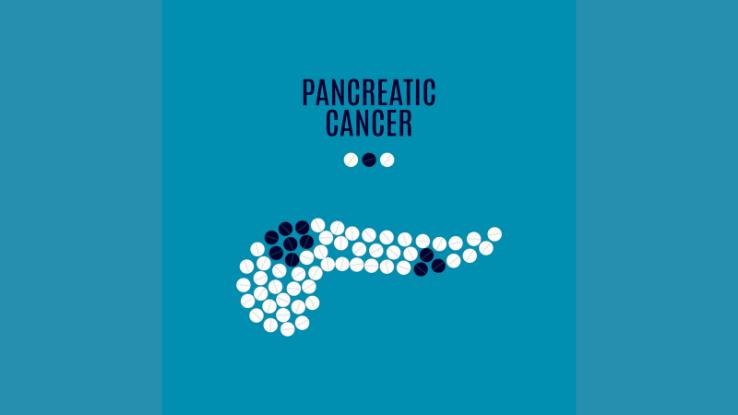
As the name suggests, pancreatic cancer is a type of cancer that first develops in the tissues of the pancreas. The pancreas is an organ located in the right side of the belly behind the lower part of the stomach. This organ's purpose is to secrete enzymes that help your torso digest food. Information technology also secretes hormones that are responsible for regulating your blood glucose levels.
Pancreatic cancer is oftentimes associated with a very poor prognosis considering it is rarely detected in its early stages and the signs and symptoms of the disease aren't always credible until it'due south too late. Additionally, it is a very aggressive form of cancer that spreads apace, making it difficult to treat. Unfortunately, the incidences of pancreatic cancer continues to ascent.
Types of Pancreatic Cancer
There are many types of pancreatic cancer, but the majority of cases can be categorized into two chief types. Based on the type of cells from which the cancer originates, most patients showroom one of these types of pancreatic cancers:
Exocrine (Nonendocrine) Pancreatic Cancer: This type of pancreatic cancer originates from the exocrine cells that form the exocrine gland and pancreatic ducts. The exocrine gland produces the enzymes that help break down food, whereas the pancreatic ducts carry these enzymatic juices to the common bile duct. There are diverse types of exocrine pancreatic cancer. The about mutual type is adenocarcinoma or ductal carcinoma, which affects the pancreatic ducts. Other more rare types of exocrine pancreatic cancer include squamous cell carcinoma, adenosquamous carcinoma, and colloid carcinoma.
Neuroendocrine Pancreatic Cancer/Pancreatic Neuroendocrine Tumors (PanNETs): This type of pancreatic cancer is less common and occurs when tumors develop from the cells of the pancreatic endocrine gland, which is responsible for producing and secreting the hormones that regulate blood glucose levels (i.eastward. glucagon and insulin).
Symptoms Associated With Pancreatic Cancer
One of the virtually dangerous things about pancreatic cancer is that tumors in the pancreas can often grow for some time without any symptoms. Nonetheless, at that place are a few indicators that pancreatic cancer may exist developing, including:
- Nighttime-colored urine
- Pale-colored stools that bladder
- Nausea
- Vomiting
- Loss of ambition
- Bloating
- Indigestion
- Diarrhea
- Unintentional weight loss
- Jaundice (pare or eyes that get xanthous in color)
- Pain or discomfort in the upper abdomen
- Back pain
- Blood clots
- Fatigue
These symptoms may be indicators of any number of diseases, so it'due south important to see a medico if you find that yous are experiencing any of these symptoms.
Causes & Risk Factors
Pancreatic cancer occurs in response to genetic mutation in the cells of the pancreas. The mutations allow the cells to split up and abound at unusually rapid rates. In addition, the mutations permit the cells to stay live under conditions in which normal cells would die. Oft, the accumulating cells will plough into a mass that forms a tumor.
There are several factors that tin increase a person's risk for pancreatic cancer, including:
- Age: The run a risk of pancreatic cancer increases with age. This is particularly true in one case a person surpasses the age of 50.
- Assigned Sex activity at Nascency: Pancreatic cancer is slightly more than common in people assigned female at nativity.
- Race: Black folks are more susceptible to developing pancreatic cancer than people of other races.
- Family History and/or Genetics: Having a family history of pancreatic cancer increases your risk for the illness. In addition, the presence of certain genetic variations/mutations or syndromes, including BRCA1/2 or PRSS1 gene mutations, Lynch syndrome, and Peutz-Jeghers syndrome, increases a person's take a chance of pancreatic cancer.
- Tobacco Employ: Tobacco use is linked to an increased take chances of pancreatic cancer.
- Other Health Weather: People with pancreatitis (chronic inflammation of the pancreas) or diabetes and those who are overweight or obese have a college risk of pancreatic cancer.
Pancreatic Cancer Diagnosis
Pancreatic cancer is very difficult to diagnose because the pancreas is located backside other organs deep within the body. Nevertheless, if an individual is suspected of having the affliction, several diagnostic tests can exist performed.
Diverse imaging techniques, including computerized tomography (CT) scan, positron emission tomography (PET) scan, magnetic resonance imaging (MRI), ultrasound, and endoscopic retrograde cholangiopancreatography (ERCP), are oft used to determine if a pancreatic tumor is present. Blood tests for circulating tumor markers as well every bit liver function tests and chemistry panels can likewise help diagnose pancreatic cancer. Notwithstanding, obtaining a biopsy to study the actual tissue is the most authentic method for diagnosing pancreatic cancer.
Are There Means to Prevent Pancreatic Cancer?
There are no proven ways to foreclose pancreatic cancer completely, but many people can reduce their risks by taking the following steps:
- Stopping the use of tobacco products
- Maintaining a salubrious weight
- Eating a diet with lots of fruits, vegetables, and whole grains
- Exercising regularly
Prognosis & Handling
Sadly, pancreatic cancer is one of the virtually deadly types of cancer. Approximately 95% of patients will not survive five years by diagnosis. Additionally, patients with pancreatic cancer that cannot be surgically removed or that has spread to other parts of the trunk are by and large given one yr or less to alive. Because of the poor prognosis of the disease, some people do non undergo intensive treatment once they are diagnosed. However, some types of pancreatic cancer may be treatable with the following methods:
- Surgery: When possible, doctors will try to remove every bit much of the cancer from the pancreas as possible. 1 common surgical method is the Whipple procedure, which involves removing the caput of the pancreas. The body of the pancreas besides as surrounding structures, such as a portion of the modest intestine, the gallbladder, or part of the bile duct, may also exist removed. Other surgical methods include a distal pancreatectomy, which involves removing the tail of the pancreas, or a total pancreatectomy, in which the entire pancreas is removed. In any case, surgery e'er involves risks, such equally bleeding or infection.
- Ablation or Embolization: These treatment strategies are different ways of removing pancreatic tumors without surgery. During ablation, extreme hot or common cold is used to destroy the tumor. Some of these treatments include radiofrequency ablation (RFA), microwave thermotherapy, and cryosurgery. Embolization uses the injection of substances to block the blood catamenia to the tumor. There are three main types of this handling: arterial embolization, chemoembolization, and radioembolization.
- Radiation Therapy: With radiation therapy, loftier-energy beams are used to impale the cancer cells in the pancreas and other areas to which they accept spread.
- Chemotherapy: Chemotherapy is the utilize of drugs to impale off cancer cells. The drugs are administered orally or intravenously.
- Immunotherapy: This treatment involves programming or stimulating the patient's immune organization to recognize and destroy the cancer cells. Various medications are used for this technique, including allowed checkpoint inhibitors.
- Clinical Trials: Because pancreatic cancer is oft accompanied by a poor prognosis, many people join clinical trials to explore new means to treat their disease. This may involve taking a drug or even getting an experimental pancreatic cancer vaccine.
Next Steps for Survivors
Although rare, it is possible to survive pancreatic cancer. For many patients, the cancer may non completely go away or it may come back in another part of the trunk. Either way, it is extremely of import to remain vigilant when it comes to follow-up care. Even though there will exist a lot of changes afterwards surviving pancreatic cancer, it is also important to effort to regain personal wellbeing by staying agile, eating good for you, reducing stress, and connecting with others, such equally through a support group.
Resource Links:
- "What Is Pancreatic Cancer?" via American Cancer Society
- "Pancreatic Cancer Types" via John Hopkins Medicine
- "Epidemiology of Pancreatic Cancer: Global Trends, Etiology and Take chances Factors" via World Journal of Oncology, U.South. National Library of Medicine
Source: https://www.symptomfind.com/health-conditions/condition-pancreatic-cancer?utm_content=params%3Ao%3D740013%26ad%3DdirN%26qo%3DserpIndex
0 Response to "What Is Called When You Get Cancer Again"
Post a Comment